.png)
ICJ Confirms States’ Legal Duties on Climate Change

On 23 July 2025, the International Court of Justice (ICJ) issued a landmark advisory opinion clarifying that states have legal obligations under existing international law to prevent, reduce and redress climate change harms. These duties flow from treaties (like the UNFCCC and Paris Agreement), customary international law (including the duty to prevent significant transboundary harm and to cooperate) and human rights law. While non‑binding, the opinion is set to reshape climate litigation, national policymaking, corporate regulation and negotiations on finance, adaptation and loss & damage.
What is the ICJ and why does its view matter?
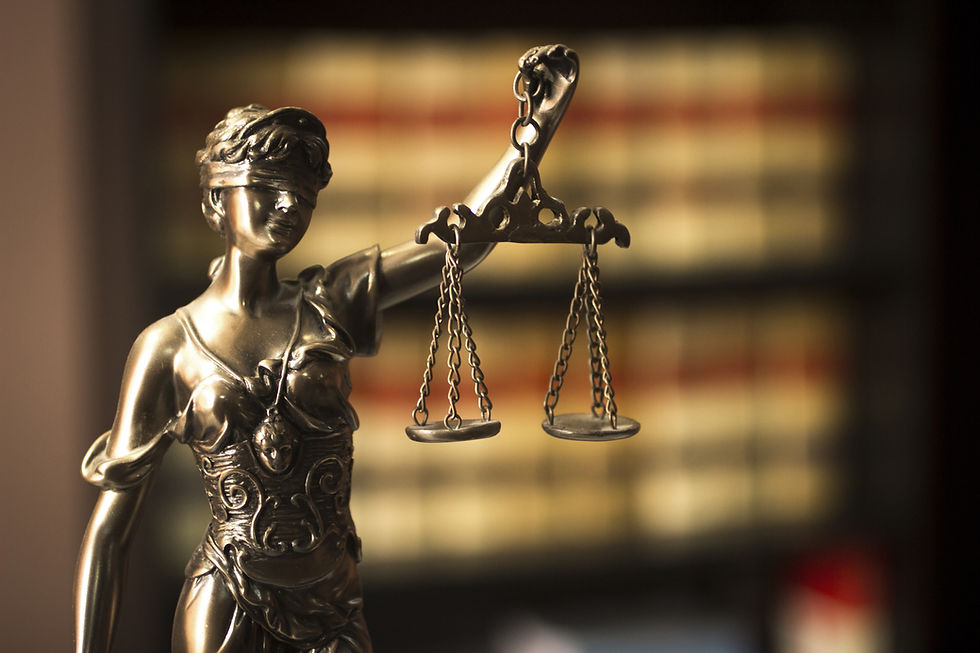
The ICJ is the principal judicial organ of the United Nations, based in The Hague. It settles legal disputes between states and issues advisory opinions at the request of UN organs and specialised agencies. Advisory opinions aren’t enforceable judgments, but they carry substantial legal and political weight: domestic courts, international tribunals, treaty bodies and negotiators routinely lean on ICJ reasoning to interpret and apply international law.
How a Student-Led Campaign Reached the World Court
The case originated with an initiative by Pacific Islands Students Fighting Climate Change (PISFCC), a group of law students from the Pacific region. Their proposal was formally taken up by the government of Vanuatu, which, along with a coalition of climate-vulnerable countries, brought the issue to the United Nations General Assembly. On 29 March 2023, the General Assembly adopted Resolution 77/276, requesting an advisory opinion from the ICJ asking the following questions:

What are states’ obligations under international law to protect the climate system and the rights of present and future generations?
What are the legal consequences when states, through their acts or omissions, cause significant harm to the climate system?
The Court received an unprecedented wave of submissions from more than 100 states and organisations before releasing its opinion on 23 July 2025.
Quick Summary of the Court's Opinion
1) States already have climate obligations under existing law
The ICJ read existing treaties and customary principles together, concluding that states must:
Prevent significant transboundary environmental harm (a classic rule of customary international law) — applied here to cumulative greenhouse gas emissions.
Exercise due diligence: adopt and implement effective, science‑informed domestic measures (laws, regulations, EIAs, monitoring) to mitigate emissions and adapt to impacts.
Co‑operate in good faith, including through finance, technology transfer and capacity‑building, reflecting principles of equity and common but differentiated responsibilities.
Treat the 1.5°C limit as the primary temperature goal to guide ambition and adequacy of action.
Regulate private actors (e.g., fossil fuel companies) when their conduct risks significant climate harm.
2) Human rights law matters
The Court recognised that climate change threatens core human rights (life, health, food, water, housing) and affirmed the growing right to a clean, healthy and sustainable environment. That framing strengthens arguments in domestic and regional human rights courts that governments must raise ambition, protect vulnerable groups and plan just transitions.
3) Legal consequences for failure
If a state breaches its obligations, the usual rules of state responsibility kick in:
Cessation of the wrongful conduct
Assurances and guarantees of non‑repetition
Full reparation — which can include restitution, compensation and satisfaction — where a “sufficiently direct causal link” to the harm is established
This opens the legal door wider to loss & damage claims (from sea‑level rise to extreme heat), and to cost recovery actions by states against major emitters.
4) Erga omnes (towards all) obligations
The Court characterised many of these duties as erga omnes: owed to the international community as a whole. That gives all states a legal interest in compliance, strengthening pressure and potential collective responses.
What Happens Next?
The ICJ’s opinion is advisory, but its ripple effects will be far-reaching. In the months and years ahead, the ruling is likely to influence a wide range of legal, political, and regulatory developments across the globe.
First, a wave of strategic climate litigation is expected. Courts may now see an increase in cases that explicitly cite the ICJ opinion to demand stronger Nationally Determined Contributions (NDCs), faster fossil fuel phase-outs, or even compensation for climate-related harms.
At the international level, the ruling is likely to reshape discussions at the UNFCCC negotiating tables, particularly around climate finance. Countries advocating for support on adaptation, loss and damage, or technology transfer can now argue not just from a position of moral urgency, but from one of legal obligation.
Meanwhile, governments may tighten climate regulations to demonstrate due diligence and reduce exposure to potential reparation claims. This could mean more ambitious national policies, stronger enforcement mechanisms, and greater oversight of emissions—both public and private (Carbon Brief, 2025).

Finally, the ICJ’s endorsement of IPCC reports as the “best available science” will further entrench climate attribution science in legal settings. This makes it easier for plaintiffs to establish causal links between emissions and specific climate harms, reinforcing the role of science in courtroom arguments around responsibility and reparation.
Five Takeaways to Remember
Climate inaction is no longer just a policy failure, it can constitute an internationally wrongful act. States are now expected to do more than make climate pledges. They must demonstrate that their actions meet a due diligence standard consistent with the 1.5°C goal, backed by science and legal accountability.
Human rights are no longer peripheral to climate law, they are at its core. The ICJ has affirmed that protecting the climate system is essential to safeguarding the right to life, health, food, water, and a sustainable environment.
Where states fail to uphold their obligations, reparations are possible, if a sufficient causal link between emissions and harm can be established. That opens the door for claims tied to loss and damage, particularly by climate-vulnerable countries and communities.
While the ICJ’s opinion is not legally binding, its influence is undeniable. It will shape policy decisions, legal strategies, and political negotiations and it will increasingly be cited in courtrooms around the world.
Small movements can spark big shifts in climate politics. What began as a campaign by Pacific Island law students has become a defining moment in international climate law. The ICJ’s ruling demonstrates that frontline communities and grassroots action can drive global legal change and reshape how the world responds to the climate crisis.
The ICJ has transformed climate action from a moral imperative into a clear legal framework and that changes everything.


Comments